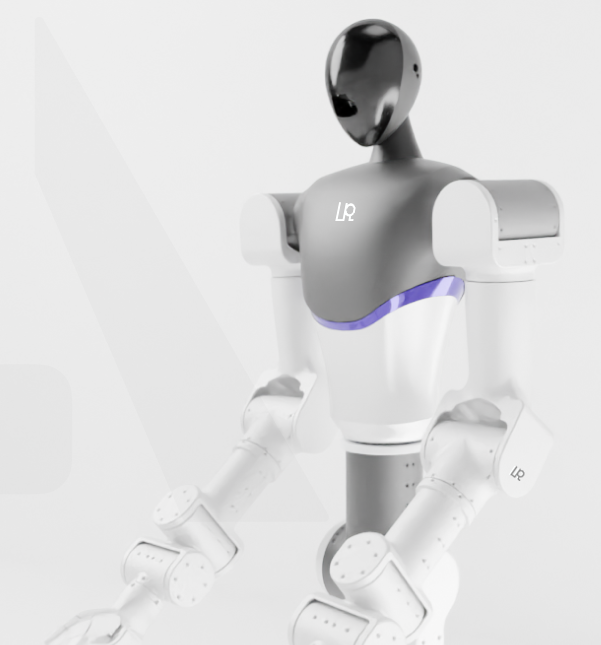
Embodied AI on Dual-Arm System V1
Embodied Intelligence refers to intelligent systems that acquire capabilities through physical embodiment, integrating perception, action, and interaction with the environment. By coupling robotic embodiment with modern Vision–Language Models (VLMs), robots can interpret high-level semantic instructions such as “organize the workspace” or “assist a human operator”, and autonomously decompose them into executable, multi-step manipulation behaviors.
This project presents a Dual-Arm Embodied AI System (V1) as a demonstration-oriented research platform, showcasing how contemporary embodied intelligence paradigms can be integrated with dual-arm robotic manipulation systems.
Core Capabilities
-
Long-horizon task planning
High-level semantic commands are decomposed into structured, multi-step action sequences, enabling coherent task execution over extended temporal horizons. -
Online adaptability
The system continuously perceives environmental changes and dynamically adjusts strategies during execution, allowing robust operation in unstructured environments. -
Semantic reasoning and embodied decision-making
Through the integration of large-scale vision–language models and multimodal perception, the system performs semantic understanding, reasoning, and decision-making grounded in physical interaction.
Dual Embodied Intelligence Pipelines
- Vision–Language Model (VLM) Pipeline
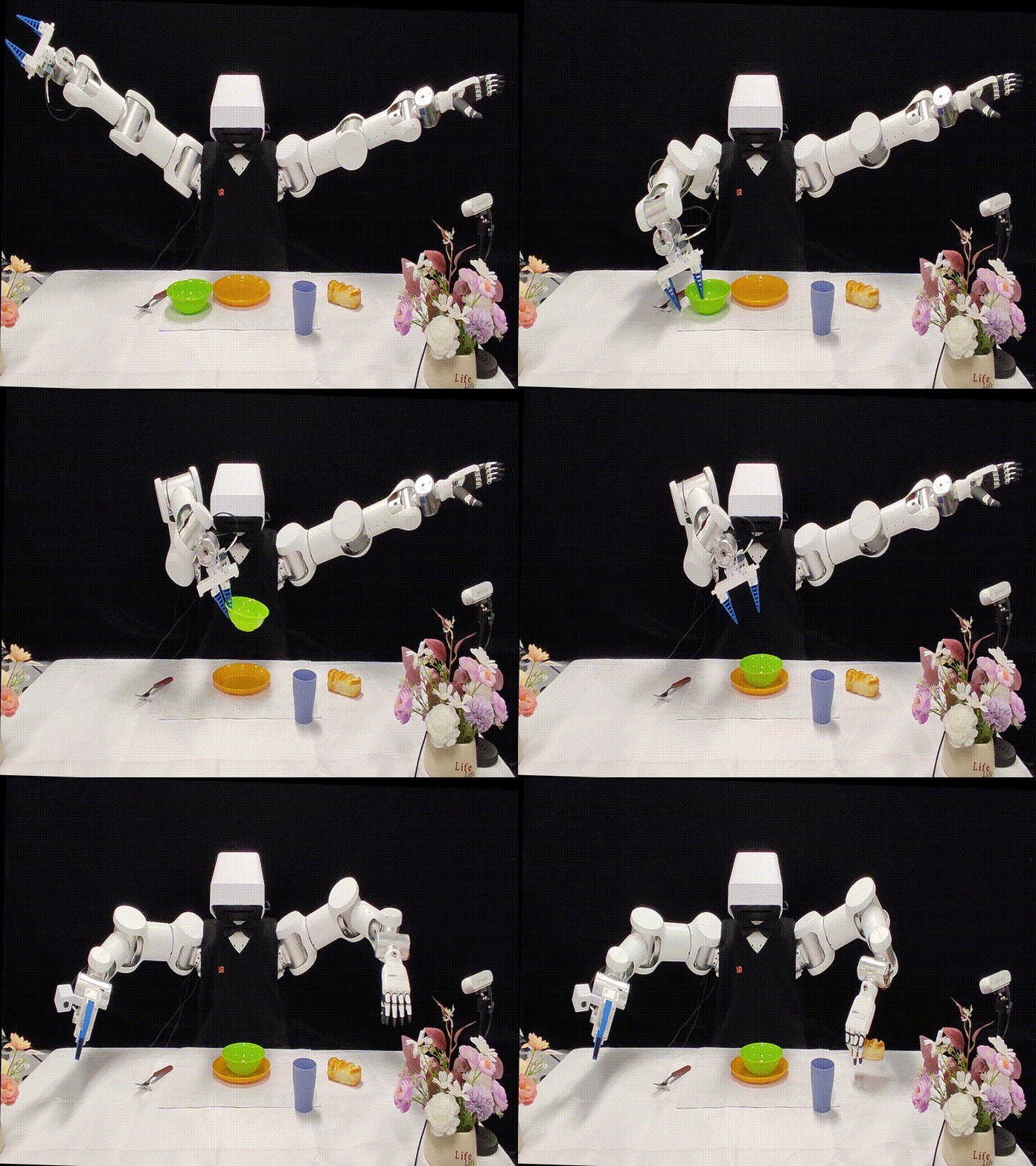
The VLM pipeline focuses on long-horizon, semantically guided manipulation tasks such as desktop organization. High-level language instructions are decomposed into structured task plans, which are executed through predefined manipulation primitives on the dual-arm platform.
- Vision–Language–Action (VLA) Pipeline
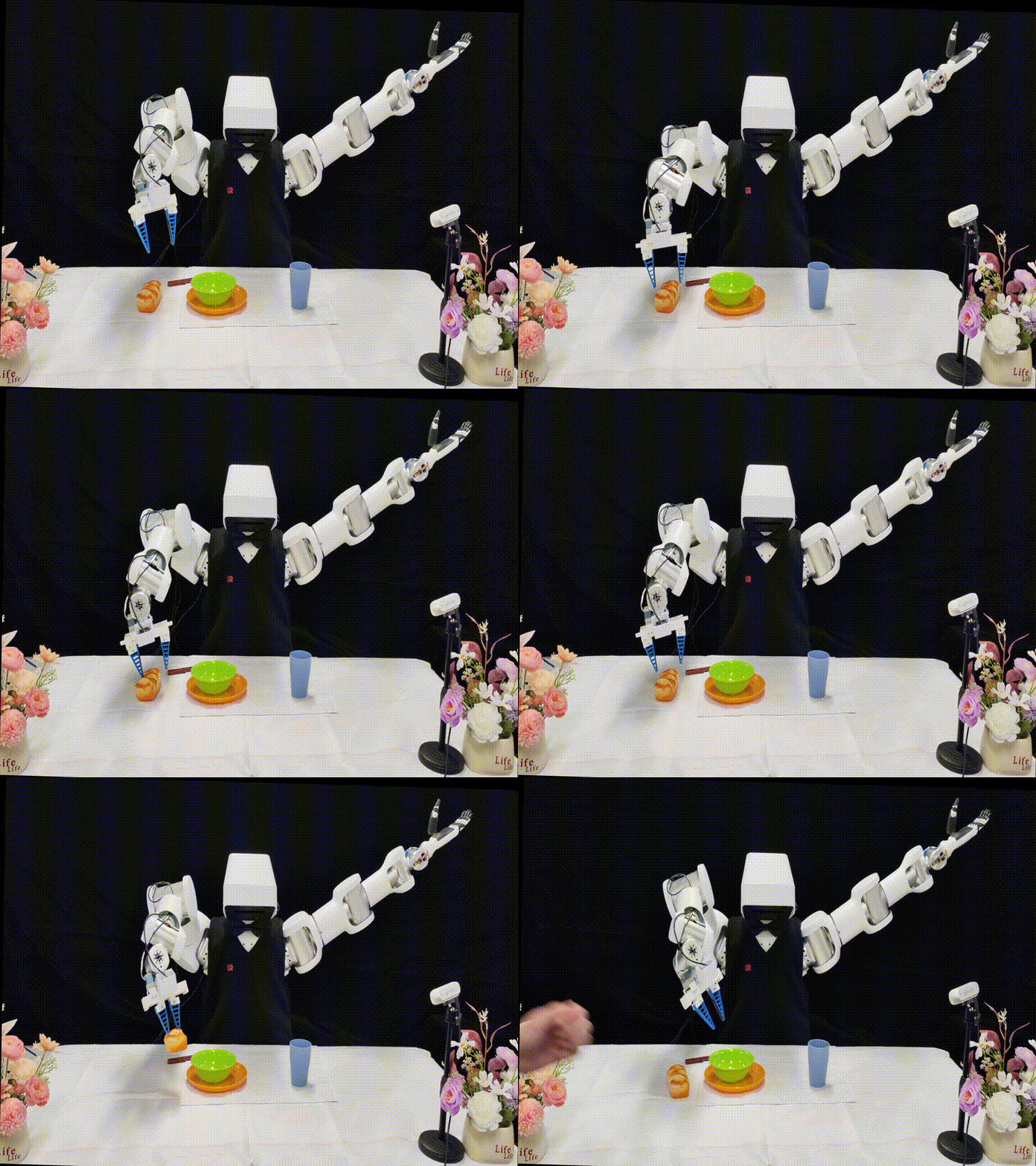
The VLA pipeline targets dynamic and reactive object manipulation, such as real-time object grasping and interaction. By tightly coupling perception, language understanding, and action generation, this pipeline enables responsive embodied behaviors in dynamic environments.
Application Scenarios
- Dual-arm object manipulation and coordination
- Semantically guided task execution
- Human-centered service and assistance
- Complex manipulation in unstructured environments